Artificial Intelligence (AI) is rapidly transforming various industries, and the Software-Defined Wide Area Network (SD-WAN) sector is no exception. As AI becomes more integral to networking technologies, SD-WAN companies must adapt their supply chains to accommodate these advancements, ensuring seamless operations.

Navigating the SD-WAN Supply Chain: How AI is Reshaping the Landscape
Discover how AI is transforming the SD-WAN supply chain, from procurement and integration to data center expansion and lifecycle management. Learn key strategies for tech companies to adapt and optimi


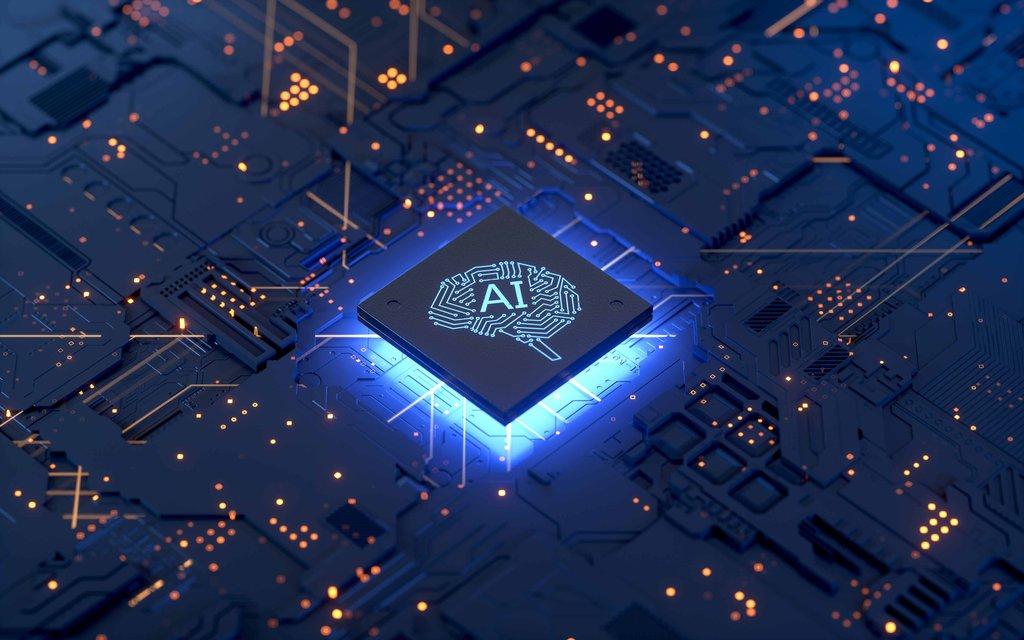
Navigating the SD-WAN Supply Chain: How AI is Reshaping the Landscape
By Daniela
GET ACCESS TO A CUSTOMIZED SUPPLY CHAIN FOR YOUR TECH EQUIPMENT
Check out our exclusive offers and updates!
Here are seven ways AI's growth in the SD-WAN industry is influencing the tech equipment supply chain, along with strategies to manage these changes:
1. Specialized Procurement
As AI integrates into SD-WAN technology, the required equipment must have specialized AI-specific features. This means the procurement process for this tech needs to become more specialized to address these new AI-related requirements.
Strategy: SD-WAN providers must work closely with reliable equipment suppliers. Together, they need to develop customized procurement programs tailored to the AI-specific needs of SD-WAN solutions.
2. Customized Integration
AI-enabled SD-WAN networks require hardware that seamlessly integrates with AI technologies. Off-the-shelf equipment may not suffice, making customization essential.
Strategy: Offering pre-staging services or partnering with specialized companies can ensure AI-capable hardware is pre-configured and ready for deployment.
3. Enhanced Quality Standards
With AI's growing role, maintaining high-quality standards is crucial to ensure the reliability, security, and performance of AI-enabled devices.
Strategy: Establish certification programs to verify that tech equipment meets the stringent quality standards required for AI-driven networking.
4. Expansion of Data Center Capacity
As AI technology keeps improving, the demand for the infrastructure to support it is also increasing. Over the next four years, data centers will need to double in size to handle all the new AI tech.
This fast growth makes it more complex to manage and expand these data centers. It is not just the main data centers that will get bigger - there will also be a rise in smaller data centers in remote locations worldwide.
This surge in new data centers will mean needing lots of extra equipment, like racks (which are expected to triple in demand) and air-cooling machines. Traditional air-cooling is starting to shift towards air-assisted liquid cooling to meet the AI needs.
The growth in data centers due to AI could cause supply chain problems for SD-WAN companies. Issues could include not having enough infrastructure, dealing with different countries' rules, and managing the lifecycle of the equipment.
Strategy: Developing scalable supply chain solutions and diversifying suppliers can help SD-WAN companies address potential infrastructure shortages and regulatory challenges.
5. Increased Demand for AI-Capable Components
The integration of AI in SD-WAN leads to heightened demand for components like advanced processors, memory modules, and specialized networking chips. This surge impacts the supply chain, requiring adjustments in production volumes and sourcing strategies.
Strategy: Creating specialized supply chain systems for these components ensures smooth operations and meets the specific requirements of AI-driven tech equipment.
6. Evolving Skill Requirements
Supporting AI-enabled tech equipment necessitates specialized engineers proficient in AI deployment, network optimization, AI-specific security measures, and troubleshooting. This evolution reflects the changing nature of roles within the supply chain to effectively support AI-driven networking environments.
Strategy: Investing in training programs and hiring skilled professionals can equip SD-WAN companies to manage and support AI-integrated technologies effectively.
7. Lifecycle Management
As new AI technologies and capabilities emerge, older equipment will become outdated more quickly, potentially shortening its usable life. This creates a great burden on the planet as e-waste keeps growing.
SD-WAN companies need to schedule frequent updates, patches, and maintenance to keep pace with AI advancements. Effective lifecycle management is essential to maximize the longevity and performance of AI-enabled tech equipment.
Strategy:SD-WAN companies need to establish partnerships with tech equipment suppliers to establish proactive lifecycle management programs for AI-capable hardware. This could involve coordinated release schedules for firmware updates and patches to address AI-related vulnerabilities and ensure ongoing compatibility with SD-WAN solutions.
WHAT CAN TECH COMPANIES DO?
The rise of AI in SD-WAN needs closer collaboration between all the stakeholders involved in the supply chain, from the manufacturer to the maintenance to ensure seamless interoperability and performance. This collaborative ecosystem involves joint development efforts, interoperability testing, and knowledge sharing to optimize the integration of AI capabilities into tech equipment and SD-WAN solutions.
Get Back Control!
Supply chain is the backbone of tech companies. These processes determine the return on investment. Without an optimized supply chain, companies are forced to close their doors.
Get back control of it with Dragon Sino's Lifecylce solution.
Share Article
Move IT equipment door to door ANYWHERE ANYTIME
Dragon Sino helps IT companies, SD-WAN providers, and data centers move equipment worldwide. With DDP, EOR, and IOR services, we handle customs and logistics for smooth, delay-free deliveries.