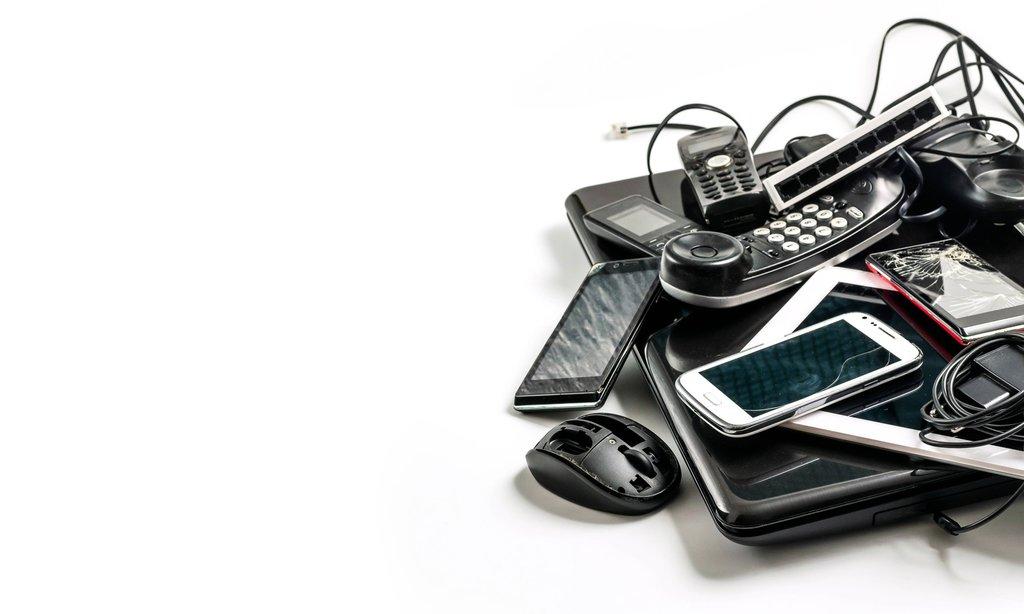
Africa’s growing digital economy is bringing both opportunities and challenges, with one of the most pressing issues being electronic waste (e-waste). As tech companies work to expand their presence on the continent, addressing this challenge is essential. Here is a look at the current state of e-waste in Africa and the ways tech companies can play a vital role in solving this problem.

Solving Africa's E-Waste Problem: A Call to Action for the Tech Industry
Africa’s growing digital economy is bringing both opportunities and challenges, with one of the most pressing issues being electronic waste (e-waste).


Solving Africa's E-Waste Problem: A Call to Action for the Tech Industry
By Daniela
GET ACCESS TO A CUSTOMIZED SUPPLY CHAIN FOR YOUR TECH EQUIPMENT
Check out our exclusive offers and updates!
The Digital Boom and E-Waste
Africa’s digital economy is rapidly expanding. Projections show a 300% increase in data centers across the continent in the coming years. This growth, while exciting, also contributes to rising levels of e-waste. In 2019, Africa generated approximately 2.9 million metric tons of e-waste, averaging 2.5 kg per person. This is much lower than the global average, with Europe averaging 16.2 kg and the Americas 13.3 kg per capita. Unfortunately, illegal e-waste imports from developed nations are exacerbating the problem, contributing to pollution and health risks across the continent.
Health and Environmental Risks
E-waste contains heavy metals like lead, mercury, cadmium, and dioxins, which can lead to serious environmental and health issues. Improper disposal of e-waste contaminates water, air, and soil, and exposes people to dangerous chemicals, causing neurological disorders, cancer, and reproductive problems. Marine life is also affected, as the contamination of water sources harms fish and aquatic ecosystems.
Efforts to Tackle the Problem
Many African countries are beginning to implement strategies to manage e-waste:
- Regulations: Countries such as Ghana and Nigeria have started requiring permits for importing and exporting e-waste, alongside annual reporting of e-waste statistics.
- Tax Incentives: South Africa offers tax incentives to companies engaged in e-waste recycling, encouraging them to follow formal, environmentally friendly recycling practices.
- Public-Private Partnerships: In Nigeria, partnerships with tech giants like Dell are offering accessible recycling services and financial incentives for businesses and consumers to properly dispose of their electronics.
- Awareness Campaigns: Kenya’s "Take Back Our E-Waste" initiative is leveraging social media and mobile apps to educate the public on recycling options and collection points.
The Informal Sector: A Persistent Challenge
Despite progress, informal e-waste recycling remains a significant challenge. Many people rely on this sector for economic survival, but it often comes at the cost of environmental damage and health risks. To address this, there needs to be greater integration of informal workers into the formal recycling system, along with training programs and safe recycling practices.
How Tech Companies Can Help
Tech companies have a unique role to play in reducing e-waste and promoting sustainability:
- Design for Durability: Developing products that last longer and can be easily upgraded reduces the amount of electronic waste generated.
- Implement Take-Back Programs: Establishing take-back schemes for used electronics encourages responsible recycling and reduces illegal e-waste dumping.
- Invest in Recycling Infrastructure: Supporting the growth of safe, formal recycling facilities ensures that e-waste is disposed of properly and can be recycled effectively.
- Promote Consumer Education: Tech companies can help educate consumers about the environmental and health risks of improper e-waste disposal and the importance of recycling.
- Collaborate with Governments and NGOs: Working with governments and NGOs to strengthen regulations and provide recycling incentives will ensure a more comprehensive, effective approach to managing e-waste.
You don't have to do it alone
Many businesses are not aware they can save money and have a positive impact on the environment just by adopting easy practices such as recycling or refurbishment.
You can be the change this world needs, but you do not have to do it alone. Dragon Sino recycling and refurbishment services will help you adopt a circular economy strategy so you can save the planet while you save money.
Share Article
Move IT equipment door to door ANYWHERE ANYTIME
Dragon Sino helps IT companies, SD-WAN providers, and data centers move equipment worldwide. With DDP, EOR, and IOR services, we handle customs and logistics for smooth, delay-free deliveries.