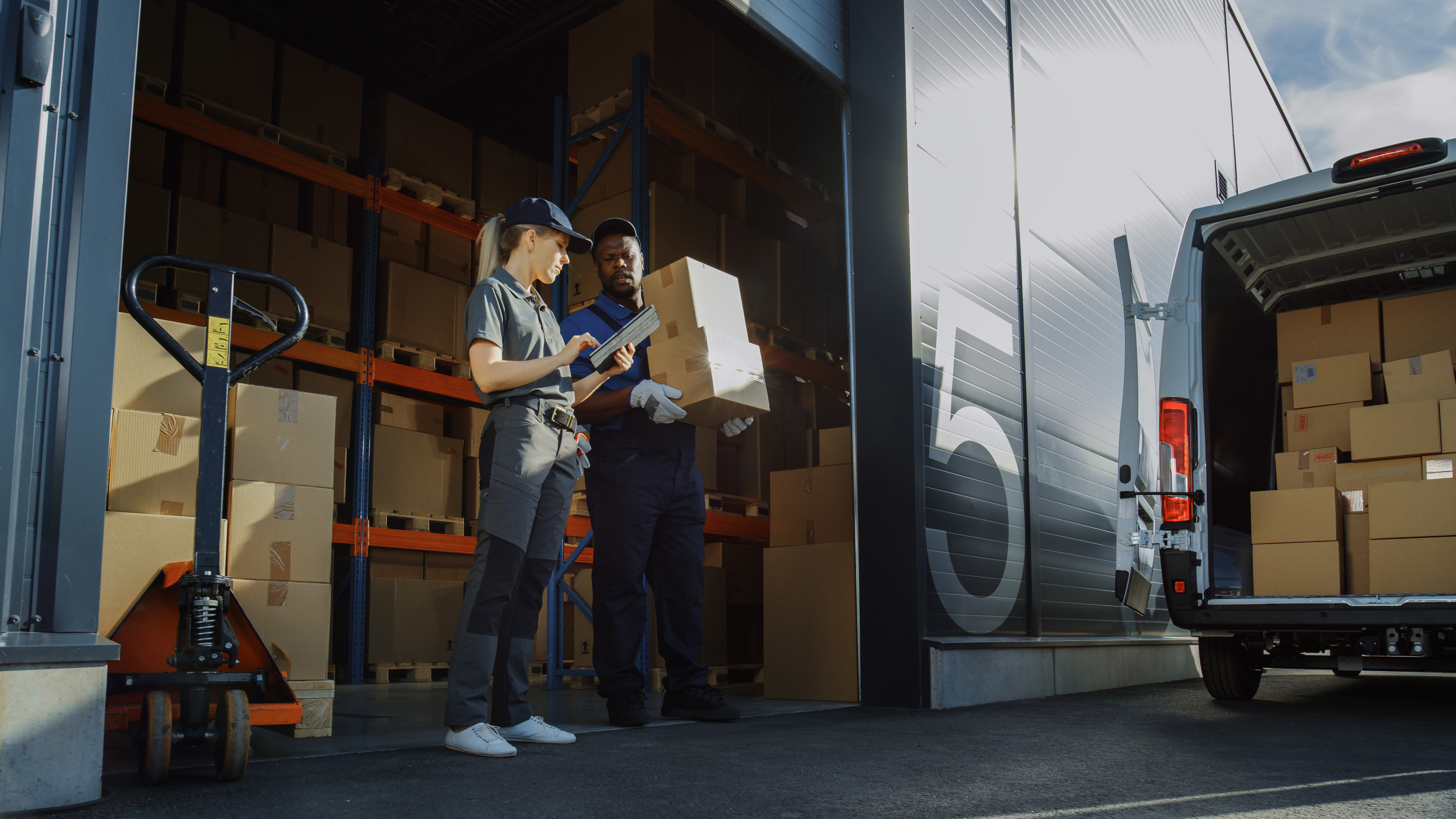
A hardware quote can look complete when it first arrives. It may include the product name, quantity, unit price, lead time, and sometimes a basic delivery estimate. On paper, that can feel like enough information to make a buying decision. For IT hardware procurement, especially when equipment needs to move across borders, it is not enough.

The Hardware Quote Is Not the Full Cost
A hardware quote can look good at first but still leave out the real cost. This article explains why IT hardware buyers need to consider shipping, duties, taxes, documentation, accessories, timing, and AI infrastructure needs before choosing a supplier.


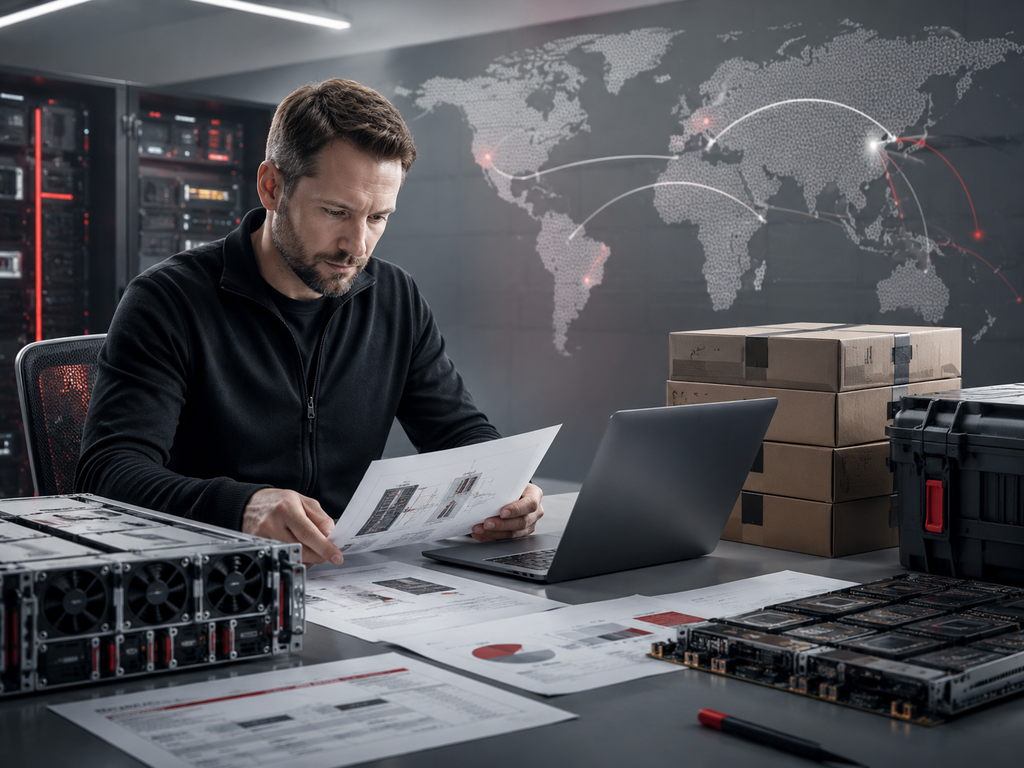
The Hardware Quote Is Not the Full Cost
By Serena
GET ACCESS TO A CUSTOMIZED SUPPLY CHAIN FOR YOUR TECH EQUIPMENT
Check out our exclusive offers and updates!
The quote is only one part of the real cost. The real cost includes what happens after the supplier says yes: stock availability, shipping, duties, taxes, documentation, handling, accessories, final delivery, timing, and delay risk.
This matters because the cheapest quote is not always the best option. The best option is the one that gives the strongest mix of price, availability, delivery speed, and certainty.
That becomes even more important as companies buy more advanced infrastructure hardware, including AI servers, GPU servers, high-speed storage, networking equipment, and data center components. These purchases are expensive, configuration-sensitive, and often tied to urgent project timelines.
A quote can hide the real delivery cost
A supplier may quote a good price for the hardware itself. That does not mean the equipment will arrive at the final site at that same cost.
The quote may not include international shipping. It may not include duties and taxes. It may not include insurance, warehousing, handling, or last mile delivery. It may also assume the buyer will manage documents, import details, receiving, and local delivery.
That is where the cost starts to change.
For example, a quote for switches, routers, firewalls, servers, laptops, storage devices, or AI infrastructure hardware may look competitive at the product level. But once the equipment needs to move from one country to another, the buyer needs to understand the full path.
Where is the hardware located? Can the supplier release it quickly? What freight route will be used? Who prepares the documents? Who receives the shipment? Who delivers it to the final site?
A quote that does not answer those questions is not the full cost.
Delivery terms can change who carries the cost
Shipping is not just an extra line item after procurement. It can change which hardware option is actually best.
One supplier may have a lower product price but a slower or more expensive shipping route. Another supplier may have a slightly higher unit price but stock in a location that can reach the destination faster and with less risk.
For urgent projects, that difference matters.
A lower quote can become more expensive if the freight cost is high, the route is slow, or the shipment requires extra handling. It can also create internal costs if the IT team has to spend days chasing shipment updates, changing project dates, or explaining delays to the business.
Buyers also need to understand what the supplier is actually responsible for. The International Trade Administration explains that Incoterms define the risks and responsibilities between a buyer and seller in international trade. That matters because two quotes can look similar while placing very different costs and responsibilities on the buyer.
The product quote and the delivery responsibility should not be treated as separate decisions.
Documents can delay equipment that has already been bought
A quote may look good because it covers the hardware. But if the required documents are incomplete, unclear, or prepared too late, the shipment can still stop before it reaches the team that needs it.
The International Trade Administration lists common export documents such as the commercial invoice, packing list, and bill of lading. These documents help describe what is being shipped, how it is packed, who is involved, and how the goods are moving.
For IT hardware, that level of detail matters. A shipment may include servers, switches, firewalls, routers, laptops, cables, spare parts, storage, accessories, and sometimes refurbished equipment. Each item needs to be described clearly. Values need to match. Product details need to support the delivery process, not just copy a short supplier description.
AI infrastructure makes this even more sensitive. AI servers and GPU server shipments may include high-value systems, accelerators, storage, networking parts, power components, and accessories. A small document problem can delay a much larger project.
The quote did not change, but the real cost did.
Duties, taxes, and local charges need to be included
The product price does not tell the full story if duties, taxes, and local charges are not included.
Two suppliers can quote the same hardware at different prices, but the final cost may depend on origin, destination, freight value, insurance, duties, VAT, GST, import fees, and local handling.
This is why buyers need to compare landed cost, not only unit price.
Landed cost is the estimated total cost of getting goods to the destination. For IT hardware, that can include the hardware price, freight, insurance, duties, taxes, local fees, and final delivery.
A quote that ignores these costs can make one option look better than it really is.
Buyers do not need perfect final numbers before every decision, but they do need a realistic view of what will add up. Without that, the buying decision is based on incomplete information.
Missing accessories can add cost after delivery
The full cost of IT hardware also includes whether the equipment arrives ready to use.
A server without the right rails, a switch without the correct power cable, a router without the required accessories, or a laptop shipment missing chargers can create extra cost after delivery.
These gaps are easy to miss when the quote focuses only on the main device.
They are also expensive because they often appear late, when the deployment team is already waiting. A small missing part can delay a site, force urgent local buying, or require a second shipment.
This applies strongly to AI infrastructure. An AI server may need the right power cables, rack rails, GPU configuration, storage, network cards, optics, cables, cooling support, or compatible accessories. The main system may be correct, but the deployment can still stall if the supporting parts are missing.
That is why a hardware quote should be checked against the full use case. The question is not only whether the device is included. The better question is whether everything needed to install, connect, power, and use the device is included.
AI infrastructure makes the cost question bigger
The real cost problem matters across IT hardware, but AI infrastructure makes it more urgent.
AI servers, GPU servers, high-speed storage, and data center networking equipment are not simple commodity purchases. They are higher value, more technical, and often harder to replace quickly. If the wrong configuration is ordered or the shipment is delayed, the impact can be much larger than a normal hardware delay.
AI infrastructure also brings site-level requirements. Power, cooling, space, airflow, and equipment density can all affect whether the hardware can be used when it arrives. ASHRAE’s AI Data Center Energy Performance Framework highlights that AI data centers demand high levels of power and cooling, making energy and thermal efficiency central to their operation.
That matters for procurement because the quote does not exist in isolation.
A company may buy AI infrastructure for a new platform, internal AI tools, data processing, research, customer-facing services, or data center expansion. In those cases, hardware delays do not stay inside procurement. They affect the wider project.
The real question is not only: “What is the product price?”
The better question is:
Can the hardware be sourced, moved, delivered, installed, and used on time?
That is the cost question that matters.
Buy and Ship AI Infrastructure Smoothly
Time is part of the cost
A delayed shipment does not only cost money. It costs time.
When equipment arrives late, teams may lose deployment windows, reschedule engineers, delay site readiness, or create pressure on customer-facing teams. In global projects, those delays can affect several locations at once.
This is why the lowest quote is not always the strongest option.
A slightly better price with uncertain delivery can be worse than a higher-confidence option with confirmed stock, clear documents, and a realistic delivery path. The goal is not to pay more. The goal is to understand the real option before committing.
When buyers compare IT hardware options, they should compare three things together:
- Product cost
- Availability
- Delivery certainty
If one of those is missing, the quote is incomplete.
A good comparison includes the full hardware path
To understand the real cost of IT hardware, buyers need to compare more than the product price. A serious comparison should answer:
- Can the supplier confirm stock?
- Can the hardware be released quickly?
- What is included in the quote?
- What shipping method will be used?
- Who handles documents?
- What duties and taxes may apply?
- Are accessories included?
- Is final delivery included?
- What happens if the shipment is delayed?
These questions are not extra work. They are the difference between a quote that looks good and an option that actually works.
This is especially important when the hardware is needed for an infrastructure deployment, AI server project, replacement order, office opening, data center upgrade, or global rollout. In those cases, cost is not only a finance issue. It is a project risk issue.
Heads up, IT hardware buyers
A hardware quote is only useful when it reflects the real path to delivery.
Before accepting a quote, buyers should look beyond the product price and check whether the cost includes availability, shipping, duties, taxes, documentation, accessories, final delivery, and timing risk.
For companies buying IT hardware across countries, Dragon Sino helps make that comparison clearer by reviewing global sourcing options, delivery paths, and door-to-door movement before the order becomes a delay.
FAQ
What is the full cost of IT hardware?
The full cost of IT hardware includes more than the product price. It can include shipping, insurance, duties, taxes, documentation, local delivery, accessories, delay risk, and the internal time spent managing the order.
Why is the cheapest hardware quote not always the best option?
The cheapest quote may not include the full delivery path. If shipping, duties, taxes, documents, accessories, or final delivery are missing, the real cost can become higher than expected.
What is landed cost in IT hardware procurement?
Landed cost is the estimated total cost of getting equipment to the final destination. It usually includes the product price, freight, insurance, duties, taxes, local charges, and delivery-related costs.
What should buyers check before accepting a hardware quote?
Buyers should check whether stock is confirmed, shipping is included, destination requirements are understood, duties and taxes are considered, accessories are included, and final delivery is clear.
Why does AI infrastructure make hardware cost comparison more important?
AI infrastructure hardware is often high-value, configuration-sensitive, and tied to urgent project timelines. A quote that excludes delivery, accessories, site requirements, or timing risk can create bigger problems once the project starts moving.
Why does the full hardware path matter?
The full hardware path matters because the product price is only one part of the real cost. Stock availability, shipping, duties, taxes, documentation, accessories, final delivery, and timing can all change the true cost of the order.
Get the right equipment delivered to your doorstep
A hardware quote is only useful when it reflects the real path to delivery.
Send Dragon Sino your hardware request. We will help source it, compare global options, and deliver it to your door. We handle everything from procurement to delivery and beyond.
This article was drafted with AI support and reviewed by the Dragon Sino team for accuracy, clarity, and relevance.
Share Article
Move IT equipment door to door ANYWHERE ANYTIME
Dragon Sino helps IT companies, SD-WAN providers, and data centers move equipment worldwide. With DDP, EOR, and IOR services, we handle customs and logistics for smooth, delay-free deliveries.